Applications

Fuel follows
the heat duty.

Boilers, furnaces, kilns and process-heat systems ask different things from a fuel. We start with the equipment, feeding method and operating duty — then match the biomass format.

01 / Boilers02 / Furnaces03 / Kilns04 / Process heat

Four heat environments.

One fuel family does not fit every firing system.

01
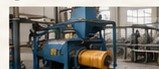
Industrial boiler room and steam equipment STEAM / HOT WATER / THERMAL DUTY

Industrial boilers

Predictable fuel for repeatable steam.

Boiler systems are often the most straightforward biomass-conversion opportunity because fuel form can be matched directly to the existing feeding arrangement and combustion chamber.

Automatic / screw feed
Pellets
Manual / batch feed
Briquettes
Higher fixed-carbon requirement
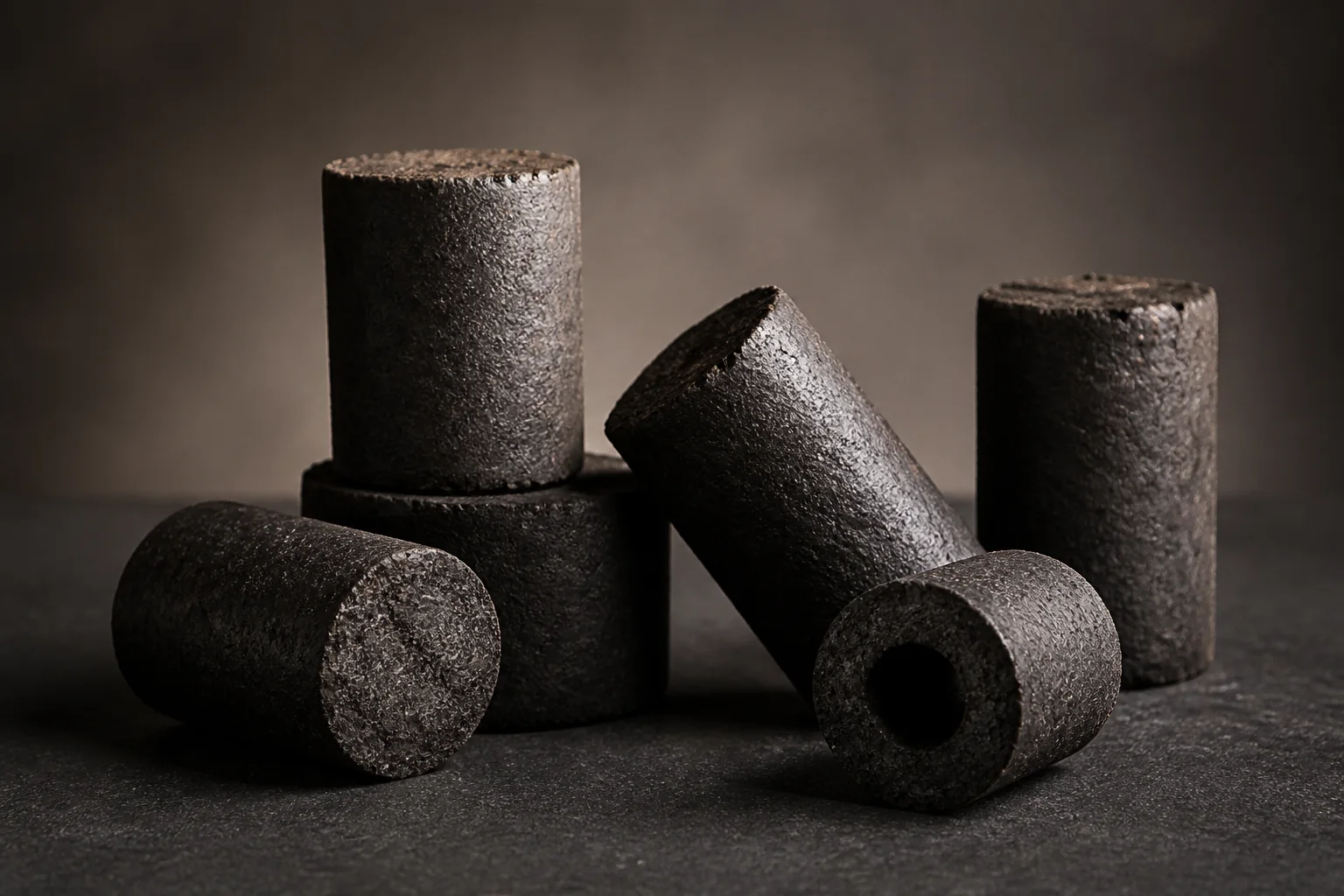
Carbonized fuel
02

Industrial furnaces

Dense fuel for direct industrial heat.

Furnaces place greater emphasis on heat intensity, burn duration and charging practice. Dense briquettes and selected carbonized grades can suit batch and high-heat duties where equipment compatibility is established.

Longer batch burn
Briquettes
Higher carbon / heat intensity
Carbonized fuel
Metered feeding
Application dependent
Industrial furnace at IISCO Steel Plant in India DIRECT HEAT / BATCH FIRING / HIGH DUTY
03
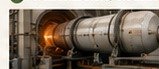
Industrial rotary kiln CONTINUOUS FIRING / CERAMICS / MATERIAL PROCESSING

Kilns

Sustained firing without constant handling.

Kiln applications reward fuel density and steady burn behaviour. Briquettes are a natural starting point for manual or batch-fired duties; carbonized grades can be assessed where higher heat concentration is required.

Sustained firing
Briquettes
High-temperature duty
Carbonized fuel
Automated systems
Confirm feed design
04

Process heat

Heat that disappears into the product.

Drying, cooking, curing and thermal-processing lines need dependable heat rather than a particular fuel shape. The right format depends on how the plant generates and transfers that heat.

Controlled automatic feed
Pellets
Batch / manual firing
Briquettes
Specialist high-heat use
Carbonized fuel
Industrial convection oven used for manufacturing process heat DRYING / COOKING / CURING / THERMAL PROCESSING

From barbecue to heavy heat.

Different heating machines need different fuel forms, feeding methods and burn behaviour.

LIGHT / LOCAL USESMALL INDUSTRYCONTINUOUS INDUSTRYHEAVY / HIGH HEAT
Charcoal barbecue grill
01 / Household & hospitality

Barbecue / Grill

Direct radiant heat, hand-fed fuel and easy handling.

Start with: Carbonized fuel
Traditional tandoor oven in Himachal Pradesh
02 / Food service

Tandoor / Small Oven

Batch firing where long burn and manual charging matter.

Start with: Briquettes
Commercial bakery oven
03 / Bakery & small processing

Bakery / Batch Oven

Controlled chamber heat with manual or burner-based firing.

Start with: Briquettes / Pellets
Biomass boiler equipment
04 / Small to medium industry

Steam / Hot-Water Boiler

Fuel choice follows feed system: automatic, screw-fed or manual.

Start with: Pellets / Briquettes
Industrial heating furnace
05 / Medium to heavy industry

Industrial Furnace

Dense fuel, long burn and higher heat intensity become more important.

Start with: Briquettes / Carbonized
Industrial rotary kiln
06 / Heavy continuous duty

Kiln / High-Heat Process

Sustained firing, heat density and process compatibility drive the choice.

Start with: Briquettes / Carbonized

Industry use cases

Different production floors.
Different heat duties.

Applications are shown as starting points for fuel evaluation. Final selection should be confirmed against equipment design, operating temperature, emissions controls and handling constraints.

IndustryTypical dutyEquipment
Textile & dyeingSteam / dryingBoiler
Food & dairySteam / cooking / hot waterBoiler / process heat
Paper & packagingDrying / steamBoiler / process heat
Brick & ceramicsContinuous firingKiln
Chemical & pharmaReactor / dryer heatBoiler / process heat
General manufacturingThermal dutyBoiler / furnace

Before the fuel is selected.

Five operating variables shape the recommendation.

01FEED

How does fuel enter?

Automatic screw, pneumatic, manual or batch.

02DUTY

What heat is required?

Steam, hot water, direct heat, drying or firing.

03COMBUSTION

What chamber is installed?

Grate, furnace, kiln or dedicated biomass burner.

04HANDLING

What can the plant store?

Bulk, bagged, loose or mechanically conveyed fuel.

05CONTROL

What must stay within limits?

Ash, moisture, emissions, heat stability and downtime.

Quick fit guide

Match fuel to the machine.

A starting guide only — final fuel selection must be confirmed against equipment design, firing method, temperature requirement and target specification.

Equipment / usePelletsBriquettesCarbonizedTypical feed
BBQ / grillPossiblePrimaryManual
Tandoor / small ovenBurner dependentPrimarySelected useManual / batch
Steam / hot-water boilerAuto-feed fitManual-feed fitDuty dependentAuto / manual
Industrial furnaceSystem dependentStrong fitHigh-heat fitBatch / controlled
KilnFeed-design dependentStrong fitHigh-heat fitContinuous / batch
Dryer / process heatControlled feedBatch heatSpecialist useProcess dependent

Application review

Tell us how your plant makes heat.

Share the equipment type, current fuel, monthly requirement and delivery location. We’ll help narrow the right fuel family and specification.

Discuss Your Application